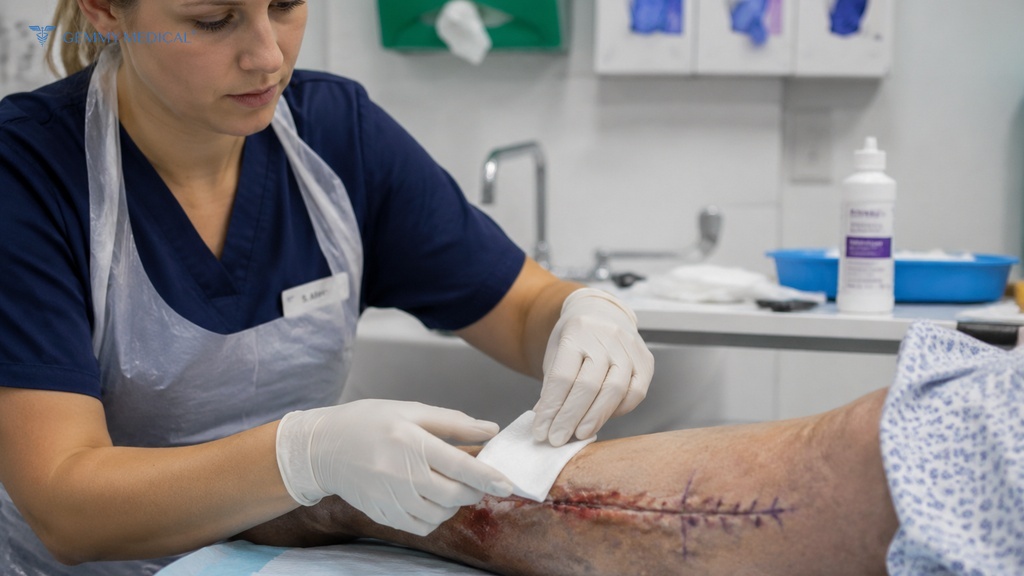
What is an Alginate Dressing?
Alginate dressings are advanced wound care products designed specifically for managing moderate to heavily exuding wounds. Made from natural polysaccharides derived from the cell walls of seaweed, these dressings are highly absorbent and form a gel-like substance when they come into contact with wound exudate. This unique property makes alginate dressings particularly effective for maintaining a moist wound environment, which is critical for optimal healing.
Alginate dressings are available in a variety of forms, including sheets, ropes, and pads, allowing for versatility in application across different wound types and anatomical locations. They are commonly composed of calcium alginate or calcium-sodium alginate, materials that contribute to their ability to interact with wound fluid and control exudate levels. At Gemmy Medical, we ensure our alginate dressings meet stringent clinical standards to support wound healing globally, from Shanghai, China, to hospitals worldwide.
How Do Alginate Dressings Work?
The mechanism of action behind alginate dressings lies in their interaction with wound exudate. When the calcium ions in the alginate fibers contact sodium ions in the wound fluid, an ion exchange occurs, transforming the fibers into a soft, hydrophilic gel. This gel not only absorbs excess moisture but also helps to maintain a moist wound environment conducive to cellular activity and tissue repair.
Additionally, the gel formation helps to trap bacteria and debris, reducing the risk of infection. The dressings also conform closely to the wound bed, enhancing patient comfort and minimizing dead space where bacterial colonization could occur. Alginate dressings are highly effective for managing heavily draining wounds, such as venous leg ulcers, pressure injuries, and surgical wounds with significant exudate.
Clinical Benefits of Alginate Dressings
Alginate dressings offer numerous benefits for both clinicians and patients managing high-exudate wounds. One of their primary advantages is their superior absorption capacity, enabling them to handle large volumes of wound fluid without requiring frequent changes. This not only reduces the risk of maceration but also minimizes disruption to the wound bed during dressing changes, which can enhance healing.
Another benefit is their ability to conform to irregular wound shapes, making them suitable for challenging anatomical locations. Alginate dressings also support autolytic debridement, as their moist environment facilitates the breakdown of necrotic tissue. Moreover, clinical studies have shown that calcium alginate dressings can help reduce bacterial load in wounds, further lowering the risk of infection.
For healthcare providers, the efficiency of alginate dressings translates into lower overall treatment costs by decreasing dressing change frequency and supporting faster healing times.
Who Should Use Alginate Dressings?
Alginate dressings are suitable for a wide range of patients with high-exudate wounds. They are particularly beneficial for individuals with chronic wounds such as venous leg ulcers, diabetic foot ulcers, and pressure injuries. These dressings are also highly effective for managing acute wounds, including surgical incisions, trauma wounds, and donor sites that produce significant exudate.
However, it is important to note that alginate dressings are not appropriate for dry or minimally draining wounds, as their highly absorbent nature can lead to desiccation of the wound bed. Additionally, while alginate dressings support infection management, heavily infected wounds may require adjunctive treatments such as antimicrobial dressings or systemic antibiotics. Clinicians should evaluate each patient’s specific wound care needs to determine the suitability of an alginate dressing.
How to Choose the Right Alginate Dressing
Selecting the appropriate alginate dressing involves considering several factors. First, assess the wound’s exudate level: alginate dressings are best suited for moderate to heavily draining wounds. Next, evaluate the wound’s size, shape, and anatomical location to determine whether a sheet, rope, or pad configuration is most appropriate. For example, rope alginate dressings are ideal for packing deep cavity wounds.
Material composition is another key consideration. Some alginate dressings contain silver or other antimicrobial agents, which can be beneficial for infected or at-risk wounds. Always consider the patient’s overall health condition, including any allergies or sensitivities, before selecting a dressing. Gemmy Medical offers a range of alginate dressing options to meet diverse clinical needs, ensuring optimal wound care solutions for healthcare providers worldwide.
Best Practices for Using Alginate Dressings
Effective use of alginate dressings begins with proper wound assessment and preparation. Cleanse the wound thoroughly with an appropriate wound cleanser or saline solution to remove debris and bacteria. Once the wound is clean, select an alginate dressing that adequately covers the wound bed, extending slightly beyond the wound margins.
If packing is required, gently place the alginate rope into the wound cavity without overfilling. Secure the dressing with a secondary dressing, such as a film or foam, to maintain its position and prevent contamination. Monitor the wound regularly and replace the dressing when it becomes saturated, generally every 1 to 3 days. Always follow manufacturer guidelines and clinical protocols to ensure safe and effective use.
Clinical Examples of Use
One common clinical scenario for alginate dressings is the management of venous leg ulcers, which often produce copious exudate. In such cases, the high absorbency of alginate dressings helps to control moisture levels, preventing maceration and promoting healing. Similarly, diabetic foot ulcers with heavy drainage can benefit from the gel-forming properties of alginate dressings, which conform closely to the wound bed and support autolytic debridement.
Another example is the use of alginate dressings for surgical wounds with high exudate, such as donor sites or post-operative incisions. In these scenarios, the dressings provide effective moisture management while reducing the risk of infection. Gemmy Medical’s alginate dressings have been used successfully in hospitals worldwide for such applications, demonstrating their versatility and efficacy.
Common Pitfalls and How to Avoid Them
Despite their effectiveness, improper use of alginate dressings can lead to suboptimal outcomes. One common mistake is using alginate dressings on dry or minimally exuding wounds, which can cause desiccation and delay healing. To avoid this, always assess the wound’s exudate level before application.
Another pitfall is failing to use an appropriate secondary dressing, which can compromise the alginate’s performance and increase the risk of contamination. Additionally, overpacking cavity wounds with alginate rope can lead to excessive pressure on the wound bed, impeding healing. Thorough training and adherence to clinical guidelines are essential to prevent these issues.
FAQ
What types of wounds are best suited for alginate dressings?
Alginate dressings are ideal for moderate to heavily exuding wounds, such as venous leg ulcers, pressure injuries, diabetic foot ulcers, and surgical wounds. They are not recommended for dry or minimally draining wounds.
Can alginate dressings be used on infected wounds?
Yes, alginate dressings can be used on infected wounds, but they should be combined with antimicrobial agents or systemic antibiotics when necessary. Some alginate dressings are infused with silver or other antimicrobials to enhance their infection-control properties.
How often should alginate dressings be changed?
Alginate dressings generally need to be changed every 1 to 3 days or when they become saturated with exudate. Frequent monitoring is essential to ensure the dressing remains effective.
Are alginate dressings safe for patients with allergies?
Alginate dressings are generally hypoallergenic, but clinicians should review the product’s composition and consider any known patient sensitivities before use. If allergies are a concern, consult with a healthcare provider.
Do alginate dressings require a secondary dressing?
Yes, a secondary dressing is typically required to secure the alginate dressing in place and prevent contamination. Options include film dressings, foam dressings, or gauze wraps.
What is the difference between calcium alginate and calcium-sodium alginate dressings?
Calcium alginate dressings are made purely from calcium alginate, while calcium-sodium alginate dressings contain a mix of calcium and sodium ions. The latter may offer slightly different absorption characteristics, depending on clinical needs.
Conclusion
Alginate dressings are a cornerstone of care for high-exudate wounds, offering excellent moisture absorption, infection management, and patient comfort. Proper selection and application of these dressings, as outlined in this article, can significantly enhance wound healing outcomes while streamlining clinical workflows. Gemmy Medical is proud to supply high-quality alginate dressings to healthcare providers across the globe, delivering reliable solutions from Shanghai, China, to every corner of the world.
Disclaimer: This article is for informational purposes only and does not replace professional medical advice. For product inquiries or customized solutions, contact the Gemmy Medical team at info@gemmytec.com.
Advanced Tips for Using Alginate Dressings
To maximize the benefits of alginate dressings, clinicians can incorporate a range of advanced techniques into their wound care practices. First, consider using a layered approach for wounds with varying exudate levels. For example, in wounds with both heavily draining areas and dry regions, combining alginate dressings with foam or hydrogel dressings can help balance moisture levels. This hybrid approach ensures that the wound remains optimally hydrated while minimizing maceration.
Another useful tip is to assess the wound's depth and shape carefully. For deep cavity wounds, cutting the alginate rope to match the wound dimensions ensures optimal packing without overfilling. Using sterile scissors can help maintain a clean dressing and prevent contamination during preparation.
Clinicians should also be vigilant about monitoring signs of infection. While alginate dressings can help reduce bacterial load, wounds showing increased redness, swelling, or odor may require additional interventions, such as antimicrobial dressings or systemic antibiotics. Regular wound assessments are crucial for timely adjustments to the care plan.
Lastly, patient education plays a vital role in wound care outcomes. Educate patients on the importance of keeping the secondary dressing intact and avoiding unnecessary manipulation of the wound site. If patients are managing their own dressing changes, provide clear instructions and ensure they understand the signs of dressing saturation or complications.
Emerging Technologies in Alginate Dressings
Recent advancements in wound care have led to the development of next-generation alginate dressings with enhanced properties. For example, some alginate dressings are now infused with bioactive compounds, such as growth factors or collagen, to accelerate tissue regeneration. These innovations are particularly beneficial for chronic wounds that are slow to heal.
Another emerging technology is the incorporation of nanotechnology into alginate dressings. Nano-silver particles, for instance, can provide potent antimicrobial effects while reducing the risk of toxicity associated with traditional silver dressings. These dressings are especially useful for infected wounds or wounds at high risk of bacterial colonization.
Additionally, researchers are exploring the use of alginate dressings with temperature-sensitive properties. These dressings can adapt their absorption rates based on the wound environment, providing more tailored moisture management. Such advancements are expected to revolutionize wound care by offering more precise and effective treatments.
Environmental Impact of Alginate Dressings
As alginate dressings are derived from natural seaweed sources, they are considered an environmentally friendly option in wound care. Seaweed is a renewable resource that grows abundantly in marine environments, making alginate dressings a sustainable choice compared to synthetic alternatives. The biodegradable nature of alginate materials also reduces waste disposal concerns, aligning with global efforts to minimize healthcare-related environmental footprints.
However, large-scale production of alginate dressings does require responsible sourcing practices to prevent overharvesting of seaweed and ensure the health of marine ecosystems. Manufacturers like Gemmy Medical are committed to ethical sourcing and production processes to support both clinical and environmental sustainability.
Clinicians and healthcare organizations can further contribute to sustainability by prioritizing the use of alginate dressings for appropriate wound types, thereby reducing waste and optimizing resource allocation. Education on the environmental benefits of alginate dressings can also encourage widespread adoption within the industry.
Psychosocial Impact of Wound Care
While much of wound care focuses on physical healing, the psychosocial impact on patients should not be overlooked. Chronic wounds can significantly affect a patient’s quality of life, leading to emotional distress, social isolation, and a loss of independence. Alginate dressings, with their high absorbency and ability to maintain a clean wound environment, can play a key role in reducing these psychosocial burdens.
For example, the reduced frequency of dressing changes minimizes interruptions to daily life, allowing patients to engage more fully in work, social activities, and hobbies. The odor control provided by alginate dressings also helps improve patient confidence, particularly for wounds prone to bacterial infections and malodor.
Healthcare providers should address the emotional well-being of patients during wound care consultations. Discussing the benefits of advanced dressings like alginate can reassure patients that their treatment plan is designed to both heal their wounds and enhance their quality of life. Support groups and counseling services can further help patients navigate the emotional challenges associated with chronic wound management.
Future Directions in Wound Care
The field of wound care is evolving rapidly, with new technologies and treatment modalities constantly emerging. In the context of alginate dressings, future directions include the development of personalized wound care solutions based on genetic and microbiome analyses. By understanding the unique biological and microbial composition of each wound, clinicians may soon be able to tailor alginate dressings with specific bioactive agents to optimize healing for individual patients.
Artificial intelligence (AI) is also poised to revolutionize wound care. AI algorithms can analyze wound images and patient data to recommend the most effective dressing types, predict healing trajectories, and identify signs of complications early. This data-driven approach can complement the use of advanced dressings like alginate, ensuring that patients receive the best possible care.
Telemedicine is another area of growth, allowing wound care specialists to remotely monitor patients and guide dressing changes. Combined with the ease of use and effectiveness of alginate dressings, telemedicine can expand access to quality wound care for patients in remote or underserved areas.
Conclusion
Alginate dressings represent a cornerstone in modern wound care, offering superior absorption, infection control, and patient comfort for high-exudate wounds. By understanding their mechanisms of action, clinical applications, and best practices for use, healthcare providers can optimize healing outcomes and improve patient quality of life. Emerging technologies, environmental considerations, and psychosocial factors further highlight the versatile and impactful role of alginate dressings in comprehensive wound care.
Gemmy Medical remains dedicated to providing high-quality alginate dressings and innovative solutions to clinicians worldwide. With a focus on clinical efficacy and sustainability, we aim to enhance wound care practices globally, from Shanghai, China, to healthcare facilities around the world.
Disclaimer: This article is for informational purposes only and does not replace professional medical advice. For product inquiries or customized solutions, contact the Gemmy Medical team at info@gemmytec.com.


