Table of Contents
What Are Burn Wound Dressings?
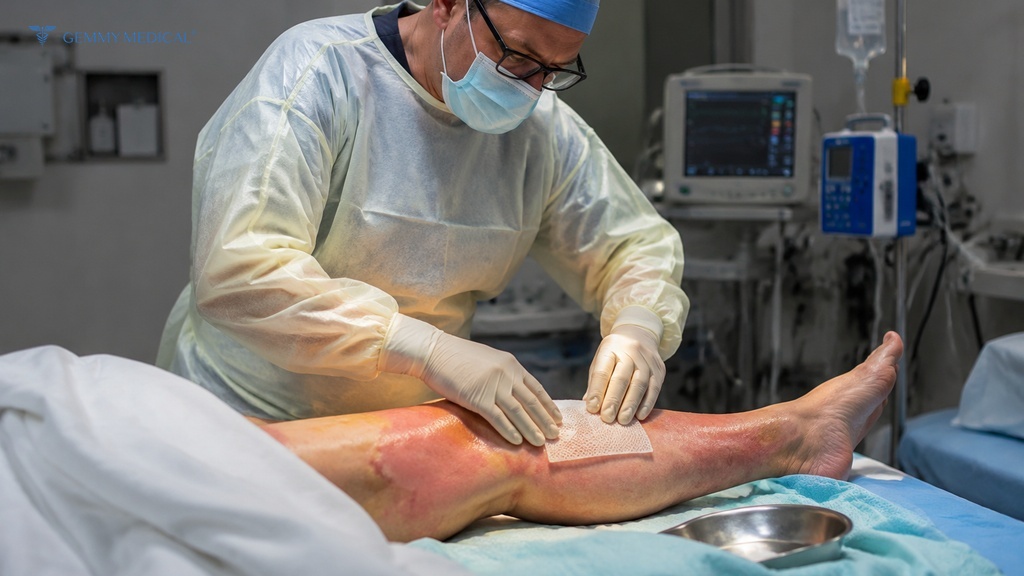
Burn wound dressings are specialized medical products designed to protect and support the healing of skin damaged by thermal, chemical, or electrical burns. These dressings are engineered to manage a variety of burn severities, ranging from superficial first-degree burns to more complex third-degree burns. They serve multiple purposes, such as providing a moist wound environment, reducing the risk of infection, and minimizing pain.
Modern burn wound dressings are made from advanced materials, including hydrocolloids, alginates, silicone, and silver-impregnated fabrics. Each material offers distinct advantages depending on the wound's condition and healing phase. For example, hydrogel dressings are ideal for hydration and pain relief in first-degree burns, while silver-infused dressings provide antimicrobial action for deeper, infected wounds.
At Gemmy Medical, headquartered in Shanghai, China, we offer a wide range of burn care products tailored for healthcare professionals treating burns in hospitals, clinics, and home settings globally. Understanding the variety of burn wound dressings is key to optimizing patient outcomes.
How Do Burn Wound Dressings Work?
Burn wound dressings work by addressing the unique physiological challenges associated with burn injuries. When the skin is burned, its natural barrier function is compromised, leaving the wound susceptible to infection, dehydration, and further tissue damage. Burn dressings mitigate these risks through specific mechanisms of action:
- Moisture Retention: Many dressings, such as hydrocolloids and hydrogels, maintain a moist environment that accelerates epithelial cell migration, promoting faster healing.
- Infection Control: Antimicrobial dressings, particularly those impregnated with silver or iodine, help reduce bacterial colonization and lower the risk of sepsis.
- Pain Management: Silicone-based dressings adhere gently to the skin, minimizing trauma during dressing changes and alleviating pain.
- Thermal Insulation: Certain burn dressings provide a barrier that helps regulate the wound's temperature, preventing further tissue damage caused by heat loss.
By combining these functions, burn wound dressings not only support natural healing processes but also improve patient comfort and reduce clinical complications.
Benefits of Burn Wound Dressings
Using the right burn wound dressing can significantly improve patient outcomes and enhance the efficiency of clinical workflows. The benefits are multifaceted and include:
- Reduced Infection Rates: By creating a physical and antimicrobial barrier, burn dressings lower the likelihood of wound infection—a common complication in burn management.
- Faster Healing Times: A moist wound environment, facilitated by advanced materials, accelerates tissue regeneration and reduces the overall healing time.
- Cost-Effectiveness: Fewer dressing changes and reduced infection-related complications translate into lower treatment costs for both healthcare facilities and patients.
- Improved Patient Comfort: Modern dressings minimize pain during application and removal, allowing patients to focus on recovery rather than discomfort.
These benefits make burn wound dressings indispensable in both acute care and post-acute care settings, reaffirming their role in evidence-based wound management practices.
Who Should Use Burn Wound Dressings?
Burn wound dressings are suitable for a wide range of patients, from those with minor thermal injuries to individuals requiring intensive care for severe burns. Here are the key groups who benefit:
- Patients with First-Degree Burns: These dressings provide hydration and pain relief for superficial burns, such as mild sunburns or scald injuries.
- Patients with Second- and Third-Degree Burns: Advanced dressings, such as silver-infused or hydrofiber options, address the complex needs of deeper wounds, including infection risk and fluid loss.
- Healthcare Providers: Hospitals, burn units, and outpatient clinics rely on these products to deliver high-quality care efficiently and effectively.
- Caregivers and Home Users: For minor burns, caregivers can use simpler dressing options to manage wounds safely at home, under professional guidance.
Understanding the patient's specific burn type and severity is crucial in selecting the most appropriate dressing and ensuring optimal outcomes.
How to Choose the Right Burn Dressing
Selecting the right burn wound dressing involves a careful assessment of the wound's characteristics, the patient’s overall health, and the clinical objectives. Key factors to consider include:
- Burn Depth: Superficial burns benefit from hydrogels and foam dressings, while deeper burns may require advanced antimicrobial products like silver dressings.
- Exudate Levels: Highly exuding wounds need absorbent options like alginate or hydrofiber dressings to manage moisture.
- Infection Risk: For burns with a high risk of infection, antimicrobial dressings, such as those impregnated with silver or iodine, are recommended.
- Patient Comfort: Silicone-based dressings are ideal for sensitive skin and reduce pain during dressing changes.
Consultation with a wound care specialist can further refine dressing selection, ensuring that both clinical and patient needs are met.
Best Practices for Burn Wound Aftercare
Effective burn wound aftercare is critical for preventing complications and promoting long-term healing. Here are some best practices:
- Cleanse Gently: Use sterile saline or an appropriate wound cleanser to remove debris and bacteria without damaging new tissue.
- Maintain Moisture Balance: Ensure the wound remains moist but not overly saturated, as excessive moisture can lead to maceration.
- Monitor for Infection: Watch for signs of infection, such as increased redness, swelling, or foul odor, and address promptly with medical intervention.
- Adhere to Dressing Protocols: Follow manufacturer instructions for dressing application, wear time, and removal to maximize effectiveness.
Regular follow-up with healthcare professionals is also essential for monitoring wound progress and adjusting care plans as needed.
Clinical Evidence for Advanced Burn Dressings
Advanced burn wound dressings have been extensively studied for their efficacy in improving patient outcomes. Clinical trials have demonstrated that silver-impregnated dressings significantly reduce infection rates and promote faster healing compared to traditional gauze. Hydrogels, on the other hand, have been shown to provide superior pain relief and hydration for superficial burns.
In a 2021 study published in the Journal of Burn Care & Research, patients treated with modern foam dressings experienced a 30% faster healing time compared to those treated with conventional methods. These findings underscore the importance of adopting evidence-based products like those offered by Gemmy Medical, which are designed to meet the highest clinical standards.
Common Mistakes in Burn Wound Care
While managing burn wounds, several common mistakes can hinder healing and worsen outcomes. Some of these include:
- Using Non-Sterile Materials: Applying unclean or non-sterile materials can introduce bacteria into the wound, increasing the risk of infection.
- Over- or Under-Hydrating the Wound: Striking the right balance of moisture is essential; too little can delay healing, while too much can cause maceration.
- Skipping Regular Dressing Changes: Failure to adhere to recommended dressing change intervals can lead to bacterial growth and poor wound hygiene.
- Ignoring Signs of Infection: Delayed recognition and treatment of infection can escalate complications, including sepsis.
Avoiding these pitfalls requires both education and adherence to established guidelines in burn care.
FAQ
What is the primary goal of burn wound dressings?
The primary goal of burn wound dressings is to protect the wound, maintain a moist environment conducive to healing, and prevent infection. Advanced materials like silver or hydrocolloids enhance these functions, improving patient outcomes.
How often should burn wound dressings be changed?
The frequency of dressing changes depends on the type of dressing and the wound's condition. Some advanced dressings can remain in place for several days, while others may require daily changes. Always follow manufacturer and clinical guidelines.
Are silver dressings safe for all burn types?
Silver dressings are generally safe for most burn types but are particularly beneficial for preventing infection in deeper or high-risk wounds. However, they may not be necessary for superficial burns.
Can burn wound dressings be used at home?
Yes, many burn wound dressings are suitable for home use, especially for minor burns. However, more severe burns should be managed under medical supervision.
What are the signs that a burn wound dressing needs to be replaced?
Signs include excessive exudate leakage, a foul odor, increased pain, or visible signs of infection. If these occur, the dressing should be replaced promptly.
Are Gemmy Medical burn dressings available globally?
Yes, Gemmy Medical's burn wound dressings are available in healthcare markets across the United States, Europe, Australia, the Middle East, Southeast Asia, South America, and Africa.
Conclusion
Burn wound dressings are a cornerstone of effective burn management, offering critical benefits such as infection prevention, faster healing, and improved patient comfort. Selecting the right dressing and following evidence-based aftercare practices are key to optimizing outcomes. With a global presence and a commitment to innovation, Gemmy Medical provides healthcare professionals with high-quality, clinically validated burn care solutions.
Disclaimer: This article is for informational purposes only and does not replace professional medical advice. For product inquiries or customized solutions, contact the Gemmy Medical team at info@gemmytec.com.


