Table of Contents
What Is a Burn Wound Dressing?
Burn wound dressings are specialized medical materials designed to protect and promote the healing of burn injuries. These dressings provide a protective barrier against infection, maintain a moist wound environment, and facilitate autolytic debridement. Depending on the severity of the burn—classified as first-degree, second-degree, or third-degree—specific dressing types may be required.
Burn wound dressings are typically made from advanced materials such as hydrocolloids, hydrogels, alginates, or foam. Some include antimicrobial agents like silver sulfadiazine or honey to reduce the risk of bacterial colonization. As part of comprehensive burn care, these dressings play a critical role in minimizing pain, preventing complications, and accelerating tissue regeneration.
At Gemmy Medical, headquartered in Shanghai, China, we offer a range of burn care products tailored to meet the diverse needs of healthcare professionals and patients across global markets.
How Burn Wound Dressings Work
Burn wound dressings work through several mechanisms to support the healing process. First, they provide a physical barrier to protect the wound from external contaminants, reducing the risk of infection. This is particularly important in thermal injuries, where the skin’s natural barrier has been compromised.
Second, many modern burn dressings maintain a moist wound environment, which has been clinically shown to accelerate epithelialization and reduce the risk of scarring. For example, hydrogel-based dressings hydrate the wound bed, alleviating pain and supporting autolytic debridement of necrotic tissue.
Additionally, advanced dressings containing antimicrobial agents such as silver ions or honey actively combat infection by neutralizing bacteria in the wound bed. These dressings can also absorb exudate, preventing maceration of surrounding healthy tissue. The combination of these mechanisms ensures that burn wound dressings not only protect but also actively promote healing.
Benefits of Burn Wound Dressings
Burn wound dressings offer a multitude of benefits for both patients and healthcare providers. The primary benefit is infection prevention. Burns are highly susceptible to infections, which can lead to delayed healing and other complications. By providing a sterile barrier, these dressings reduce the risk of bacterial contamination.
Another significant benefit is pain reduction. Many burn dressings are designed to be non-adherent, minimizing trauma during dressing changes. Additionally, the moist environment created by these dressings helps soothe the affected area, offering relief from pain and discomfort.
For clinicians, the use of advanced burn dressings streamlines wound management by reducing the frequency of dressing changes and simplifying care protocols. For patients, these dressings enhance comfort, improve outcomes, and in severe cases, reduce the likelihood of hospitalization or surgical intervention.
Choosing the Right Burn Wound Dressing
Selecting the right burn wound dressing depends on several factors, including the depth and severity of the burn, the location of the injury, and the patient’s overall health. For superficial burns (first-degree), non-adherent dressings with a focus on hydration, such as hydrogel sheets, are often sufficient. For partial-thickness burns (second-degree), dressings that absorb exudate and provide antimicrobial protection, such as foam dressings infused with silver, are ideal.
Full-thickness burns (third-degree) may require more advanced interventions, including surgical debridement and skin grafts. In such cases, burn dressings are used to manage the wound bed and prevent infection until definitive surgical treatment can be performed. Clinicians should also consider patient-specific factors, such as allergies to dressing materials or the presence of comorbidities like diabetes, which can affect wound healing.
Gemmy Medical offers a comprehensive portfolio of burn care products, allowing healthcare providers to tailor treatment to the individual needs of their patients.
Best Practices for Burn Wound Dressing Application
Proper application of burn wound dressings is critical for achieving optimal outcomes. Before applying any dressing, the wound should be thoroughly cleaned using sterile saline or an appropriate wound cleanser to remove debris and reduce bacterial load. For severe burns, debridement may be necessary to prepare the wound bed for healing.
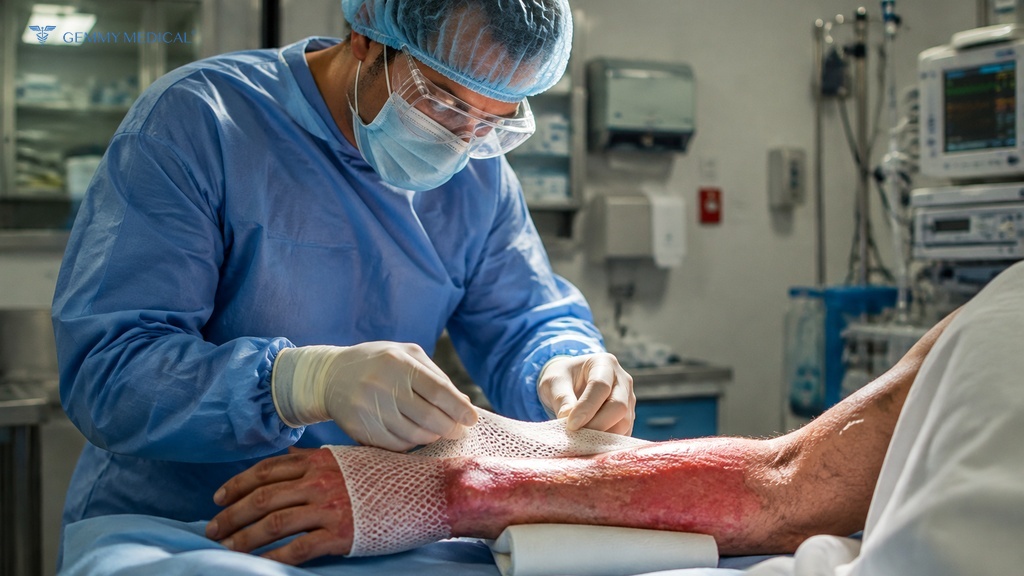
When applying the dressing, ensure it completely covers the wound and extends slightly onto the surrounding healthy skin to provide a secure seal. Avoid stretching the dressing too tightly, as this can impair circulation. For burns with high exudate levels, choose a dressing with adequate absorbency to prevent maceration.
Dressing changes should be performed according to the manufacturer’s guidelines or the patient’s clinical condition. Minimizing the frequency of changes helps reduce trauma and discomfort for the patient while maintaining a stable wound environment.
The Role of Burn Wound Dressings in Aftercare
Burn wound dressings are an essential component of aftercare, ensuring that the healing process continues smoothly after the initial injury. Aftercare often involves managing the wound to prevent infection, reduce scarring, and maintain functionality of the affected area. Advanced dressings, such as silicone-based options, can help minimize hypertrophic scarring during the later stages of healing.
Ongoing monitoring of the wound site is crucial. Signs of infection, such as increased redness, swelling, or discharge, should prompt immediate medical attention. Additionally, patients should be educated on proper wound care, including maintaining hygiene and protecting the area from further trauma or sun exposure.
Gemmy Medical’s burn care products are designed not only to promote initial healing but also to support long-term recovery and rehabilitation.
Special Considerations for Burn Wound Care
Burn wound care presents unique challenges that require careful consideration. For example, burns in areas with high mobility, such as joints, may require dressings that accommodate movement without compromising the wound seal. Similarly, burns on the face or other sensitive areas demand dressings that are gentle and non-adherent to prevent additional trauma.
In pediatric and elderly patients, thin or fragile skin may necessitate the use of specialized dressings with extra cushioning or reduced adhesion. Additionally, clinicians should be aware of the psychological impact of burn injuries, especially in cases involving visible scars. Incorporating psychosocial support into the care plan is essential for holistic treatment.
By offering a range of versatile, high-quality wound care solutions, Gemmy Medical ensures that healthcare providers can address these unique challenges effectively.
Why Choose Gemmy Medical for Burn Wound Management?
Gemmy Medical, a global leader in wound care products headquartered in Shanghai, China, offers innovative solutions for burn wound management. Our burn dressings incorporate advanced materials and technologies, including antimicrobial agents, moisture-retentive formulations, and atraumatic designs, to meet the highest clinical standards worldwide.
Healthcare professionals across the United States, Europe, Australia, and beyond trust Gemmy Medical for our commitment to quality, reliability, and innovation. Our products are designed with both clinicians and patients in mind, ensuring ease of use, comfort, and optimal healing outcomes.
Whether you’re managing minor burns in an outpatient setting or treating severe thermal injuries in a hospital, Gemmy Medical provides the tools you need for effective burn care.
FAQ
What types of burn wounds require specialized dressings?
Specialized dressings are recommended for all burns beyond superficial first-degree injuries. Partial-thickness burns benefit from antimicrobial and exudate-absorbing dressings, while full-thickness burns may require advanced materials to manage infection and protect the wound bed during recovery.
How often should burn wound dressings be changed?
The frequency of dressing changes depends on the type of dressing and the wound’s condition. Some advanced dressings can remain in place for up to seven days, while others may need to be changed more frequently to manage exudate or prevent infection.
Can burn dressings be used on pediatric patients?
Yes, many burn dressings are suitable for pediatric use. However, extra care should be taken to avoid dressings with strong adhesives on delicate skin. Consult product guidelines and a healthcare provider to ensure safe application for children.
Are antimicrobial burn dressings necessary for all burns?
Antimicrobial dressings are particularly beneficial for burns at high risk of infection, such as those with significant tissue damage or located in areas prone to contamination. For minor burns, simpler dressings may suffice.
How do I know if a burn wound is infected?
Signs of infection include increased redness, swelling, warmth, pain, or discharge from the wound, as well as fever in some cases. If any of these symptoms occur, seek medical attention promptly.
What should I do if a burn dressing causes irritation?
If irritation occurs, discontinue use and consult a healthcare provider. It may be necessary to switch to a hypoallergenic dressing to minimize adverse reactions.
Conclusion
Burn wound dressings are a cornerstone of effective thermal injury management, offering protection, pain relief, and enhanced healing. By selecting the appropriate dressing and following best practices for application and aftercare, healthcare professionals can significantly improve patient outcomes.
Gemmy Medical’s comprehensive range of burn care products ensures that clinicians have access to the most advanced solutions available. From infection control to scar minimization, our burn dressings are designed to meet the diverse needs of patients worldwide.
Disclaimer: This article is for informational purposes only and does not replace professional medical advice. For product inquiries or customized solutions, contact the Gemmy Medical team at info@gemmytec.com.


