Table of Contents
What Is a Composite Dressing?
A composite dressing, also known as a combination dressing or hybrid wound dressing, is a multifunctional wound care product designed to address the needs of wounds with mixed characteristics. These dressings combine multiple layers, each serving a distinct function, such as absorbing exudate, maintaining a moist wound environment, and providing a protective barrier against external contaminants.
Typically, composite dressings consist of three layers. The inner layer is in direct contact with the wound bed and is designed to prevent adherence, minimizing trauma during dressing changes. The middle layer, often made from materials like superabsorbent polymers or foam, absorbs and manages wound exudate effectively. The outer layer serves as a waterproof or semi-permeable barrier, protecting the wound from bacteria while allowing oxygen exchange. This multi-layer design makes composite dressings especially suitable for complex wounds with varying needs.
Given their versatility, composite dressings are widely used in clinical and home care settings for managing wounds such as surgical incisions, pressure ulcers, and venous leg ulcers. Gemmy Medical, headquartered in Shanghai, China, offers a range of high-quality composite dressings tailored to meet diverse healthcare needs globally.
How Do Composite Dressings Work?
The mechanism of action behind composite dressings lies in their multi-layer construction, which is optimized to address the various challenges associated with wound healing:
- Non-Adherent Contact Layer: This layer is designed to minimize pain and trauma during dressing changes by preventing the dressing from sticking to the wound bed. Many composite dressings use materials like silicone or hydrocolloids for this purpose.
- Absorptive Middle Layer: This layer is engineered to manage exudate effectively, reducing the risk of maceration. Materials like hydrofiber, foam, or superabsorbent polymers are commonly used to lock in moisture while maintaining the optimal wound environment.
- Protective Outer Layer: The outermost layer acts as a barrier against bacteria and other contaminants, reducing the risk of infection. This layer is often made from breathable, waterproof materials like polyurethane film.
By integrating these functionalities, composite dressings provide a comprehensive solution for managing mixed wound types, ensuring faster healing and reducing the risk of complications.
Clinical Benefits of Composite Dressings
Composite dressings offer several clinical advantages that make them a preferred choice for healthcare professionals:
- Versatility: These dressings are suitable for a wide range of wound types, including chronic wounds, acute wounds, and surgical incisions. Their multi-functional layers make them adaptable to wounds with varying levels of exudate and healing stages.
- Reduced Dressing Change Frequency: The high absorbency and protective features of composite dressings allow for extended wear time, reducing the need for frequent dressing changes and minimizing disruption to the wound healing process.
- Improved Patient Comfort: Non-adherent contact layers reduce pain during dressing changes, while the breathable outer layer helps prevent skin irritation.
- Infection Prevention: The outer barrier layer protects the wound from external contaminants, while some composite dressings also incorporate antimicrobial agents for additional protection.
These benefits not only enhance patient outcomes but also contribute to cost savings by reducing the overall burden of wound care management.
Indications for Composite Dressings
Composite dressings are designed to address a variety of wound care challenges. Common indications include:
- Moderately to Heavily Exudating Wounds: Thanks to their absorptive middle layer, composite dressings are ideal for wounds with significant fluid drainage.
- Mixed Etiology Wounds: Wounds with both dry and moist areas, such as certain diabetic foot ulcers, benefit from the multi-functional design.
- Surgical Wounds: Composite dressings are frequently used post-operatively to protect surgical incisions from infection while promoting healing.
- Pressure Ulcers and Venous Leg Ulcers: Their ability to manage exudate and maintain a moist wound environment makes them effective for chronic wounds.
However, composite dressings may not be suitable for dry wounds or wounds with heavy necrotic tissue, as they rely on the presence of moisture to function effectively.
Criteria for Selecting Composite Dressings
Choosing the right composite dressing is critical for achieving optimal wound care outcomes. Key factors to consider include:
- Wound Exudate Level: High-exudate wounds require dressings with superior absorbency, while low-exudate wounds may benefit from thinner options.
- Size and Shape of the Wound: Select a dressing that provides adequate coverage, ensuring it extends beyond the wound margins to protect surrounding skin.
- Patient Comfort: Look for dressings with soft, flexible materials and a non-adherent contact layer to reduce pain and enhance comfort.
- Wear Time: Consider the dressing’s durability and ability to maintain its integrity over the recommended wear time.
By taking these factors into account, clinicians can make informed decisions that align with the specific needs of their patients.
Best Practices in Using Composite Dressings
To maximize the effectiveness of composite dressings, healthcare professionals should adhere to the following best practices:
- Thorough Wound Assessment: Evaluate the wound’s size, depth, exudate level, and presence of infection to determine if a composite dressing is appropriate.
- Skin Preparation: Cleanse the wound with an appropriate solution and ensure the surrounding skin is dry before applying the dressing.
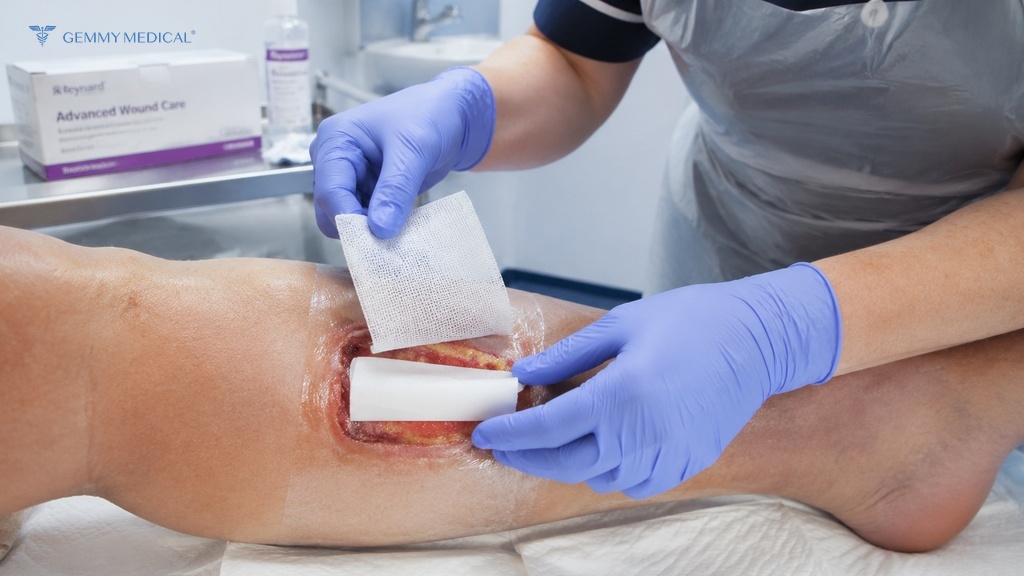
- Correct Application: Position the dressing so that it fully covers the wound with at least a 2 cm margin around the edges to protect the surrounding tissue.
- Monitor and Reassess: Regularly check the dressing for signs of saturation or leakage. Replace as needed to maintain an optimal healing environment.
Following these guidelines ensures that the dressing performs as intended, promoting effective wound healing and minimizing the risk of complications.
Product Spotlight: Gemmy Medical Composite Dressings
Gemmy Medical, a globally trusted brand headquartered in Shanghai, China, offers a range of high-quality composite dressings designed for the unique needs of healthcare providers worldwide. These dressings feature advanced multi-layer construction, ensuring superior performance in managing complex wound types. Key features include:
- High Absorbency: Our dressings utilize superabsorbent polymers to handle even high-exudate wounds effectively.
- Gentle on Skin: The non-adherent contact layer minimizes patient discomfort during dressing changes.
- Durable Outer Barrier: A waterproof, breathable layer provides reliable protection against external contaminants.
With distribution networks spanning the United States, Europe, Southeast Asia, and beyond, Gemmy Medical is committed to delivering innovative wound care solutions to healthcare providers globally.
Future Trends in Composite Dressings
The field of wound care continues to evolve, with several promising trends shaping the future of composite dressings:
- Smart Dressings: Development of dressings embedded with sensors to monitor wound healing in real-time.
- Sustainability: Increased focus on eco-friendly materials to minimize environmental impact.
- Personalization: Advances in 3D printing technology may enable the creation of custom-fit dressings tailored to individual wound shapes and sizes.
These innovations are set to redefine wound care, offering enhanced functionality and patient outcomes in the years to come.
Frequently Asked Questions
What makes composite dressings different from other dressings?
Composite dressings are multi-layer wound care products that combine multiple functionalities, such as exudate absorption, bacterial barrier protection, and a non-adherent wound contact layer. This makes them more versatile and suitable for complex wounds compared to single-layer dressings.
Can composite dressings be used on infected wounds?
While some composite dressings include antimicrobial properties, they are not always suitable for heavily infected wounds. In such cases, antimicrobial dressings or additional interventions may be required. Always consult a healthcare professional for guidance.
How long can a composite dressing stay in place?
The wear time for composite dressings varies depending on the wound’s exudate levels and the specific product used. Generally, they can stay in place for 3-7 days, but regular monitoring is essential to ensure optimal performance.
Are composite dressings suitable for chronic wounds?
Yes, composite dressings are highly effective for managing chronic wounds such as pressure ulcers and venous leg ulcers. Their ability to manage exudate and maintain a moist environment supports faster healing.
What is the best way to apply a composite dressing?
To apply a composite dressing, start by cleaning the wound and drying the surrounding skin. Center the dressing over the wound, ensuring at least a 2 cm margin around the edges. Secure the dressing as per the manufacturer’s instructions.
Are composite dressings cost-effective compared to other options?
Yes, composite dressings are cost-effective due to their extended wear time and reduced need for frequent changes. This can lower overall treatment costs while improving patient compliance and outcomes.
Conclusion
Composite dressings are an essential tool in modern wound care, offering unparalleled versatility and effectiveness for managing mixed wound types. Their multi-layer design addresses the diverse needs of complex wounds, providing benefits such as improved patient comfort, reduced dressing change frequency, and enhanced infection prevention. With the availability of high-quality options like those from Gemmy Medical, healthcare providers can deliver superior care to patients worldwide.
Disclaimer: This article is for informational purposes only and does not replace professional medical advice. For product inquiries or customized solutions, contact the Gemmy Medical team at info@gemmytec.com.


