Introduction to Polymer Silicone Gel Scar Patches
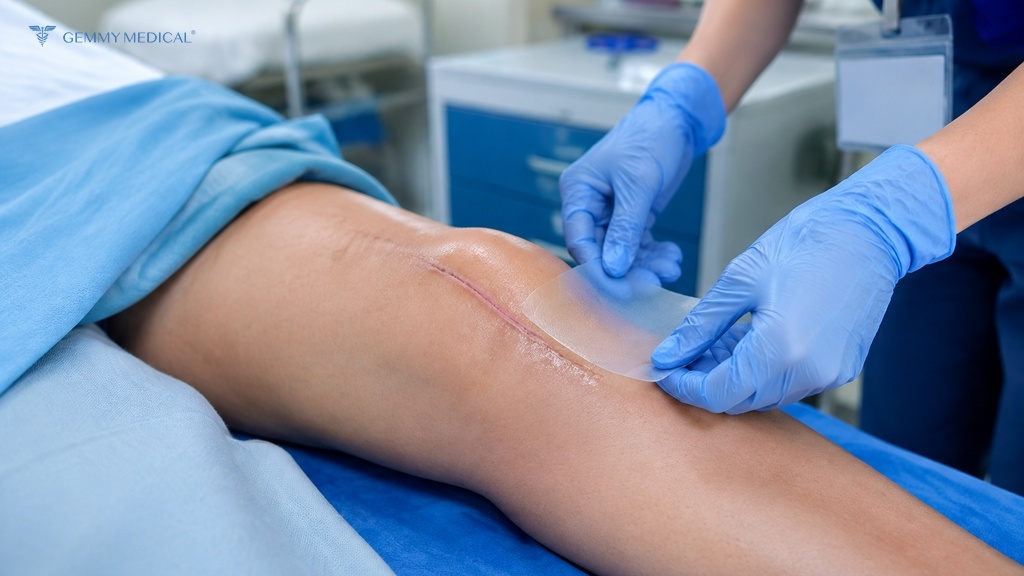
Polymer silicone gel scar patches are an innovative solution in the field of scar management, offering a non-invasive treatment option for reducing and improving the appearance of scars. Developed to provide optimal scar care, these patches utilize medical-grade silicone to create a protective barrier over the scarred area. This method is especially beneficial for individuals looking to manage post-surgical scars, keloids, and hypertrophic scars effectively.
Silicone scar patches are designed to hydrate and protect the scar tissue, facilitating a healing environment that minimizes scar formation. At Gemmy Medical, headquartered in Shanghai, China, we offer a range of polymer silicone gel scar patches that cater to various clinical needs, ensuring that healthcare providers and patients have access to top-quality scar management solutions. Our commitment to advancing wound care technologies is evident in our dedication to producing products that meet the highest medical standards.
How Polymer Silicone Gel Works
The mechanism of action for polymer silicone gel in scar treatment is based on its ability to hydrate and protect the skin. Silicone gel creates an occlusive layer over the scar, which helps to retain moisture in the skin. This hydration softens the scar tissue and reduces collagen production, which is a key factor in the development of hypertrophic and keloid scars.
By maintaining adequate moisture levels, silicone gel also reduces itching and discomfort associated with scars. The gentle pressure applied by the patch flattens raised scars over time, improving both the texture and appearance of the scar. Clinical studies have demonstrated that silicone gel therapy can significantly improve the aesthetic appearance of scars, making it a preferred choice among both clinicians and patients.
Clinical Benefits of Silicone Scar Patches
From a clinical perspective, silicone scar patches offer numerous benefits. Their non-invasive nature makes them an attractive option for patients who prefer not to undergo additional surgical procedures for scar management. The patches are easy to apply and remove, which encourages consistent use—a critical factor in achieving optimal results.
Silicone scar patches have been extensively studied and are supported by a robust body of clinical evidence. They are effective in reducing redness, itching, and discomfort associated with scars. Moreover, they can be used on scars of varying ages and sizes, making them versatile in different clinical scenarios. Gemmy Medical's silicone scar patches are designed to meet the exacting standards of healthcare professionals, ensuring that they provide reliable and effective scar management.
Home Use Benefits
In addition to their clinical advantages, polymer silicone gel scar patches are also ideal for home use. They provide a convenient, at-home treatment option that does not require frequent visits to a healthcare provider. This accessibility is particularly beneficial for patients with busy schedules or limited access to medical facilities.
The patches are discreet and comfortable to wear, allowing individuals to continue with their daily activities without disruption. Patients can self-manage their scar treatment regimen with ease, applying the patches as directed by their healthcare provider. This empowers patients, giving them more control over their scar management and potentially leading to better adherence to treatment protocols.
Who Should Use Silicone Scar Patches?
Silicone scar patches are suitable for a wide range of individuals. They are particularly beneficial for patients who have undergone surgical procedures and wish to minimize the appearance of post-operative scars. Additionally, individuals with keloids or hypertrophic scars can benefit from the flattening and softening effects of silicone gel therapy.
Patients with sensitive skin or those who are allergic to other types of scar treatments may find silicone scar patches to be a gentle alternative. The hypoallergenic nature of medical-grade silicone reduces the risk of adverse reactions, making it a safe choice for diverse patient populations. It is important for users to follow the specific recommendations provided by their healthcare providers to ensure the best outcomes.
Choosing the Right Silicone Scar Patch
Selecting the appropriate silicone scar patch is essential for achieving the desired therapeutic outcomes. Factors to consider include the size and location of the scar, as well as the patient's skin type and any specific clinical needs. Gemmy Medical offers a variety of sizes and shapes, ensuring that there is a suitable option for every individual.
Healthcare professionals should guide patients in choosing a product that offers the right balance of adhesion and flexibility. The patch should adhere well to the skin without causing irritation or discomfort. Additionally, the patient’s lifestyle and activity level should be considered, as some patches may be more suitable for active individuals than others.
Best Practices for Silicone Gel Patch Application
Proper application techniques are crucial for maximizing the effectiveness of silicone gel scar patches. Before applying the patch, the skin should be clean and dry to ensure optimal adhesion. It is essential to follow the manufacturer’s instructions regarding application and wear time.
Patients should replace the patch as needed, typically every 24 hours, and ensure continuous coverage of the scar for the duration recommended by their healthcare provider. Avoid using creams, lotions, or ointments under the patch, as these can interfere with its adhesive properties. Regular follow-up appointments with a healthcare provider can help monitor progress and adjust treatment as necessary.
Frequently Asked Questions
What types of scars can benefit from silicone gel patches?
Silicone gel patches are effective for treating a variety of scars, including surgical scars, keloids, and hypertrophic scars. They work by hydrating the scar tissue and reducing collagen production, which helps to flatten and soften the scar over time. This makes them suitable for both new and old scars.
How long should a silicone scar patch be worn each day?
For optimal results, it is typically recommended to wear the silicone scar patch for 12 to 24 hours a day. Patients should follow the specific instructions provided by their healthcare provider and the product manufacturer to ensure effective treatment and avoid skin irritation.
Are there any side effects associated with silicone scar patches?
Silicone scar patches are generally safe and well-tolerated, with minimal risk of side effects. Some individuals may experience mild skin irritation or redness, especially if the skin is not properly cleaned before application. It is important to discontinue use and consult a healthcare provider if any adverse reactions occur.
Can silicone scar patches be used on children?
Yes, silicone scar patches can be used on children, but it is important to consult a pediatrician or healthcare provider before starting treatment. The gentle nature of silicone makes it a safe option for children, but the specific needs and sensitivities of young skin should be considered.
How quickly can results be expected with silicone scar patches?
Results can vary depending on the individual and the characteristics of the scar. Some patients may begin to see improvements within a few weeks, while others may require several months of consistent use to achieve desired results. Regular monitoring by a healthcare provider can help assess progress.
Can silicone scar patches be reused?
Silicone scar patches are designed for single-use to maintain hygiene and effectiveness. Reusing patches can lead to decreased adhesion and potential contamination. It is recommended to replace the patch according to the manufacturer's guidelines to ensure optimal scar management.
Conclusion
Polymer silicone gel scar patches are a clinically proven, effective solution for managing and improving the appearance of scars. Their ability to hydrate and protect the skin makes them a valuable tool in the arsenal of scar treatment options. Gemmy Medical, with its global presence and expertise in wound care, offers high-quality silicone scar patches that meet the needs of healthcare professionals and patients alike. By following best practices and consulting with healthcare providers, patients can achieve optimal outcomes in their scar management journey.
Related Resources
Disclaimer: This article is for informational purposes only and does not replace professional medical advice. For product inquiries or customized solutions, contact the Gemmy Medical team at info@gemmytec.com.
How Polymer Silicone Gel Works
The mechanism of polymer silicone gel in treating scars is rooted in its ability to provide a controlled environment that promotes healing. Silicone gel sheets or patches work by creating a semi-occlusive layer over the scar, which mimics the natural barrier function of healthy skin. This barrier helps retain moisture in the scar tissue, which is critical for softening and flattening scar formations over time.
Another key feature of silicone gel patches is their ability to regulate fibroblast activity. Fibroblasts are skin cells responsible for producing collagen during wound healing. In the case of hypertrophic or keloid scars, excessive fibroblast activity leads to an overproduction of collagen, resulting in raised and thickened scars. Silicone patches create a microenvironment that reduces the activity of fibroblasts, leading to a balanced production of collagen and a smoother scar appearance.
Furthermore, the occlusive nature of silicone patches helps protect the scar from external factors like bacteria, UV rays, and friction from clothing. This protection minimizes the risk of further irritation or inflammation, which can exacerbate scar formation. For example, patients recovering from surgeries such as C-sections or joint replacements often benefit from silicone scar therapy to reduce the visibility of post-surgical scars.
Clinical Benefits of Silicone Scar Patches
In clinical settings, silicone scar patches are widely regarded as the gold standard for non-invasive scar management. They have been clinically proven to improve scar outcomes in a range of scenarios, from post-surgical healing to burn recovery. One of the most significant advantages is their ability to improve both the aesthetic and functional aspects of scars. For instance, patients with scars on joint areas, like elbows or knees, often report improved mobility because the softened scar tissue is less restrictive.
Clinical studies have shown that consistent use of silicone patches can reduce the redness (erythema) and pigmentation associated with scars. This is particularly beneficial for patients with darker skin tones, who may be more prone to hyperpigmentation in scar tissue. Moreover, silicone patches can also be used preventatively. Applying silicone gel sheets immediately after the wound has closed can help reduce the likelihood of hypertrophic or keloid scar formation, especially in individuals with a genetic predisposition to these types of scars.
Another clinical advantage is the versatility of silicone patches. They can be cut to size, making them suitable for scars of all shapes and sizes, including irregular scars from burns or trauma. For healthcare providers, silicone patches offer a reliable and evidence-based tool to incorporate into post-operative care protocols, particularly for patients undergoing cosmetic or reconstructive surgeries.
Home Use Benefits
For individuals managing scars at home, silicone scar patches offer unparalleled convenience and ease of use. Unlike some scar treatments that require specialized equipment or frequent clinic visits, silicone patches allow patients to take charge of their care. This is particularly empowering for individuals who may feel self-conscious about their scars and want a discreet treatment option.
Silicone patches are reusable for several days (depending on the manufacturer’s instructions), which reduces the cost of treatment over time. They are also easy to integrate into daily routines. For example, a person recovering from a cesarean section can apply the patch in the morning and go about their day without worrying about discomfort or the patch peeling off. Moreover, the discreet nature of silicone patches means they can be worn under clothing without being noticeable.
Home use of silicone patches is also ideal for children and teenagers, who may have difficulty adhering to complex treatment regimens. The patches are hypoallergenic and gentle on sensitive skin, making them a safe and effective option for younger patients. Parents can easily monitor their child’s progress and adjust the treatment as needed, ensuring consistent care without the need for frequent medical appointments.
Who Should Use Silicone Scar Patches?
Silicone scar patches are suitable for a diverse range of users, but certain groups may benefit more from this treatment. For example, individuals undergoing cosmetic surgeries such as tummy tucks, breast augmentation, or rhinoplasty can use silicone patches to minimize post-surgical scarring. Similarly, patients recovering from orthopedic surgeries, such as knee or hip replacements, can use silicone patches to promote faster healing and reduce scar visibility.
People with keloids or hypertrophic scars are often ideal candidates for silicone gel therapy. Keloids, which extend beyond the boundaries of the original wound, and hypertrophic scars, which are raised but remain within the wound boundaries, can both respond well to the hydration and pressure provided by silicone patches. Additionally, individuals with burn scars, whether from thermal, chemical, or radiation injuries, may find relief from the itching and discomfort caused by scar tissue through silicone therapy.
Those with chronic wounds that have recently closed are another group that can benefit from silicone gel patches. By applying the patch immediately after wound closure, patients can prevent excessive scar tissue formation and promote optimal healing. Individuals who have undergone tattoo removal, trauma-related surgeries, or even minor cosmetic treatments like mole removal can also use silicone patches to achieve smoother, less noticeable scars.
Choosing the Right Silicone Scar Patch
When selecting a silicone scar patch, it’s important to consider the specific characteristics of the scar and the patient’s individual needs. For instance, larger scars, such as those resulting from burns or major surgeries, may require patches that can be customized to cover a wide area. On the other hand, small scars from minor injuries or acne may only need smaller, pre-cut patches.
Patients with active lifestyles, such as athletes or individuals who perform physical labor, should choose patches with strong adhesive properties to ensure they stay in place during activities. Waterproof options are also available, allowing users to shower or swim without removing the patch. For individuals with sensitive or allergy-prone skin, selecting a hypoallergenic silicone patch formulated specifically for sensitive skin can help minimize the risk of irritation.
Patients should also consider the thickness of the silicone patch. Thicker patches may provide more hydration and pressure, which can be beneficial for stubborn or older scars. However, thinner patches are often more comfortable for day-to-day wear, especially on areas of the body that experience frequent movement, such as the hands or face. Consulting with a healthcare provider can help patients determine the most appropriate product for their specific situation.


