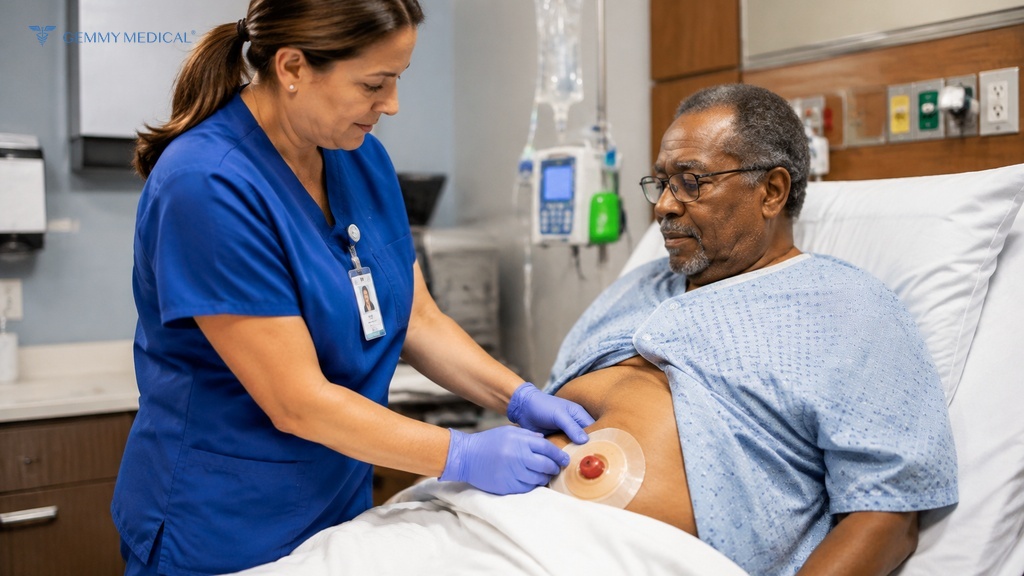
Introduction to Two-Piece Ostomy Systems
Two-piece ostomy systems are a versatile and customizable solution for patients requiring an ostomy due to conditions such as colorectal cancer, Crohn’s disease, or traumatic injuries. Unlike one-piece systems, two-piece systems consist of separate components: a baseplate (or flange) that adheres to the skin and a detachable pouch for waste collection. This modular design offers greater flexibility and comfort, making it an increasingly popular choice among patients and clinicians alike.
Gemmy Medical, headquartered in Shanghai, China, provides high-quality two-piece ostomy systems tailored for diverse healthcare markets across the globe, including the United States, Europe, and Southeast Asia. This switching guide explores key considerations for transitioning to two-piece systems, highlighting their advantages, selection criteria, and best practices for optimal outcomes.
How Two-Piece Ostomy Systems Work
Two-piece ostomy systems function by securely coupling a pouch to a baseplate, which is adhered to the peristomal skin. The baseplate typically features an adhesive hydrocolloid or silicone layer that forms a protective seal around the stoma, preventing leakage and minimizing skin irritation.
The pouch, available in various capacities, is designed to collect waste from the stoma and can be easily detached and replaced without removing the baseplate. This mechanism allows patients to change pouches more frequently while reducing skin trauma associated with repeated baseplate removal. Many systems offer advanced locking mechanisms, such as click-fit or adhesive coupling, ensuring a leak-proof and user-friendly experience.
Gemmy Medical’s two-piece ostomy solutions incorporate innovative materials and ergonomic designs to meet a wide range of clinical needs, from colostomy to ileostomy care.
Clinical and Practical Benefits
Switching to a two-piece ostomy system offers several advantages for both patients and healthcare providers:
- Comfort and Flexibility: The modular design allows users to change pouches without disturbing the baseplate, reducing skin irritation.
- Extended Baseplate Wear Time: Baseplates can remain in place for several days, lowering the risk of peristomal skin complications.
- Customizable Options: Patients can select pouches with varying sizes and features, such as drainable or closed systems, depending on their lifestyle and clinical needs.
- Cost-Efficiency: Extended baseplate use and the ability to replace only the pouch can reduce overall product costs.
- Improved Hygiene: Detachable pouches make emptying and cleaning more efficient, promoting better stoma care.
For healthcare professionals, two-piece systems simplify patient management by offering adaptable solutions that cater to individual requirements.
Who Should Use Two-Piece Ostomy Systems?
Two-piece ostomy systems are suitable for a variety of patient profiles, including:
- Patients with Active Lifestyles: Those who prioritize flexibility and convenience often benefit from the quick pouch changes offered by two-piece systems.
- Individuals with Sensitive Skin: Extended wear times minimize skin irritation, making these systems ideal for patients prone to peristomal skin issues.
- Post-Surgical Patients: After stoma creation, two-piece systems can simplify care during recovery by reducing the need for frequent skin adhesion changes.
- Long-Term Ostomy Users: Patients with chronic conditions requiring permanent stomas may find the modularity and customizability of two-piece systems advantageous.
Healthcare providers should assess each patient’s clinical needs, lifestyle, and preferences to determine the most suitable system.
How to Choose the Right Two-Piece Ostomy System
Selecting the right two-piece ostomy system requires careful consideration of multiple factors:
- Stoma Type and Output: Ensure the pouch size and design match the type and volume of stoma output (e.g., watery ileostomy output versus thicker colostomy output).
- Skin Sensitivity: Baseplates with advanced adhesives, such as hydrocolloids, may be preferable for patients with delicate skin.
- Lifestyle Needs: Patients who travel frequently or engage in physical activities may benefit from systems with secure locking mechanisms.
- Ease of Use: Choose systems with intuitive designs to facilitate pouch changes and improve patient confidence.
- Manufacturer Support: Partner with trusted brands like Gemmy Medical, known for high-quality materials and reliable customer service.
Consulting with wound care specialists and ostomy nurses can provide valuable insights when making product recommendations.
Best Practices for Switching
Transitioning to a two-piece ostomy system requires proper planning and patient education:
- Conduct a Stoma Assessment: Evaluate the size, shape, and location of the stoma before selecting a compatible baseplate and pouch.
- Educate Patients: Provide detailed instructions on how to attach, detach, and clean the system to ensure proper use.
- Trial Period: Allow patients to trial the system for several weeks to identify any comfort or performance issues.
- Monitor Skin Health: Regularly check for signs of irritation or leakage and adjust the system as needed.
- Follow Manufacturer Guidelines: Adhering to manufacturer instructions, like those provided by Gemmy Medical, ensures optimal system performance.
Healthcare providers should remain available to address concerns and provide ongoing support during the transition.
Troubleshooting Common Issues
While two-piece ostomy systems are designed for reliability, occasional issues may arise:
- Leakage: Ensure the pouch is securely attached to the baseplate and check for damage to the locking mechanism.
- Skin Irritation: Use barrier creams or switch to a more skin-friendly adhesive if irritation occurs.
- Detachment During Activity: Recommend systems with robust locking features for active patients.
- Difficulty Aligning Components: Provide training on proper alignment techniques to minimize frustration.
Gemmy Medical offers technical support and resources to help users resolve common challenges effectively.
Maintenance and Storage Tips
Proper maintenance extends the lifespan of two-piece ostomy systems and ensures optimal performance:
- Clean Regularly: Empty and clean the pouch as needed using warm water and mild soap.
- Inspect for Wear and Tear: Check for signs of damage or reduced adhesion on the baseplate and replace components promptly.
- Store Appropriately: Keep unused components in a cool, dry place to maintain adhesive efficacy.
- Use Specialized Products: Utilize ostomy-specific cleaning solutions and deodorizers available through Gemmy Medical.
These practices help ensure patient comfort and reduce the risk of complications.
FAQ
What is a two-piece ostomy system?
A two-piece ostomy system consists of a separate baseplate (or flange) and pouch. The baseplate adheres to the skin around the stoma, while the pouch is detachable for waste collection and replacement.
How often should I change the baseplate?
The baseplate can typically remain in place for up to 3-7 days, depending on skin condition, stoma output, and manufacturer guidelines. Regular monitoring for leakage or irritation is essential.
Can active patients use two-piece systems?
Yes, two-piece systems are suitable for active patients. Many systems feature secure locking mechanisms that prevent detachment during physical activities.
What are the signs of a poorly fitted baseplate?
Signs include leakage, skin irritation, or discomfort. Consult a healthcare provider to reassess the fit and ensure proper adhesion and alignment.
Are two-piece systems more expensive than one-piece systems?
While initial costs may be higher, two-piece systems can be more cost-efficient over time due to the extended wear of the baseplate and the ability to replace only the pouch.
How do I clean a two-piece ostomy pouch?
Empty the pouch regularly and rinse it with warm water and mild soap. Specialized cleaning solutions can also be used for odor control and hygiene.
Does Gemmy Medical provide support for two-piece systems?
Yes, Gemmy Medical offers technical support and educational resources to help users choose, use, and maintain their two-piece ostomy systems effectively.
Conclusion
Two-piece ostomy systems provide a flexible, customizable, and cost-efficient solution for patients requiring stoma care. With benefits such as extended baseplate wear time, reduced skin irritation, and ease of pouch replacement, these systems are ideal for diverse patient profiles and clinical situations. By following best practices for switching and maintenance, healthcare providers can help patients achieve optimal outcomes.
Gemmy Medical, a trusted global brand headquartered in Shanghai, China, offers high-quality two-piece ostomy systems designed to meet the needs of healthcare professionals and patients worldwide. Contact our team for tailored solutions and expert guidance.
Related Resources
Disclaimer: This article is for informational purposes only and does not replace professional medical advice. For product inquiries or customized solutions, contact the Gemmy Medical team at info@gemmytec.com.
Psychological Adjustments and Emotional Support
Adapting to life with an ostomy, whether temporary or permanent, can be a significant psychological adjustment for many patients. The transition to a two-piece ostomy system is not just a physical change but also an emotional process that involves acceptance, education, and support. Patients may experience a range of emotions, including uncertainty, frustration, or even grief for their previous way of life. Addressing these feelings is as important as managing the physical aspects of ostomy care.
Building Confidence with Education
One of the best ways to alleviate patient anxiety is through education. Demonstrating the simplicity and reliability of a two-piece ostomy system can help patients feel more confident in their ability to manage their own care. Provide hands-on training sessions that allow patients to practice attaching and detaching the pouch, cleaning the system, and troubleshooting common issues.
Healthcare providers can also distribute instructional materials, such as video tutorials or printed guides, to reinforce learning. Many manufacturers, including Gemmy Medical, offer user-friendly resources tailored to patients with varying levels of experience and technical ability.
Support Groups and Peer Networks
Encouraging patients to connect with others who have undergone similar experiences can be highly beneficial. Support groups, whether in-person or online, provide a platform for sharing tips, discussing challenges, and celebrating small victories. These interactions can normalize the experience of living with an ostomy and reduce feelings of isolation.
Peer mentors, often individuals who have successfully adapted to life with a two-piece ostomy system, can offer firsthand advice and emotional support. Many ostomy organizations and healthcare providers have programs to match patients with mentors in their local area or online.
Professional Mental Health Support
In some cases, patients may benefit from professional psychological counseling to address deeper concerns related to body image, self-esteem, or social interactions. Cognitive-behavioral therapy (CBT) and other therapeutic approaches can help individuals reframe negative thoughts and develop coping strategies. Healthcare providers should remain vigilant for signs of depression or anxiety and provide referrals to mental health professionals when needed.
Practical Tips for Emotional Resilience
- Celebrate Small Wins: Encourage patients to acknowledge and celebrate their progress, such as mastering a pouch change or successfully managing a full day outside the home.
- Set Realistic Goals: Help patients set achievable milestones to regain control over their daily routines and build confidence gradually.
- Incorporate Relaxation Techniques: Techniques such as deep breathing, mindfulness, or yoga can help reduce stress and improve overall well-being.
By addressing the psychological aspects of ostomy care, healthcare providers can empower patients to embrace their new normal with resilience and optimism.
Emerging Technologies in Two-Piece Ostomy Systems
The field of ostomy care has seen significant advancements in recent years, driven by innovations in materials science, design, and digital health. These emerging technologies are enhancing both the functionality and user experience of two-piece ostomy systems, offering new possibilities for patients and clinicians alike.
Smart Ostomy Systems
One of the most exciting developments is the integration of digital technology into ostomy systems. Smart pouches equipped with sensors can monitor stoma output, detect leaks, and transmit real-time data to a smartphone app. This technology allows patients to proactively manage their care and provides healthcare providers with valuable insights into stoma health and system performance.
For example, a smart ostomy system might send an alert when the pouch is nearing capacity, reducing the risk of accidental leakage. Some systems also include features to track trends in stoma output, which can be particularly useful for patients with complex medical conditions such as inflammatory bowel disease (IBD).
Advanced Adhesives and Skin Protection
Modern two-piece ostomy systems are incorporating advanced adhesive technologies designed to provide a secure seal while minimizing skin irritation. Hydrocolloid adhesives, for instance, create a moisture-absorbent barrier that adapts to the contours of the skin, reducing the risk of leaks and improving comfort. Silicone-based adhesives are another innovation, offering a gentle yet effective alternative for patients with sensitive or compromised skin.
Some manufacturers are also developing baseplates with built-in skin care features, such as antimicrobial properties or integrated moisturizing agents, to further enhance peristomal skin health.
Eco-Friendly Options
As sustainability becomes a growing concern, many companies are developing eco-friendly ostomy systems that reduce environmental impact. Biodegradable pouches and recyclable components are now available, providing environmentally conscious patients with more sustainable options. These products retain the functionality and durability of traditional systems while aligning with modern environmental values.
Customizable and Ergonomic Designs
Advances in 3D printing and ergonomic design are enabling the creation of more personalized ostomy systems. Custom-fit baseplates can be designed to match the unique contours of a patient’s body, ensuring a better seal and improved comfort. Ergonomic pouches with streamlined profiles and discreet designs are also gaining popularity, particularly among patients who prioritize aesthetics and discretion.
The Future of Ostomy Care
These emerging technologies represent just the beginning of what’s possible in ostomy care. As research continues, we can expect further innovations that enhance convenience, reliability, and quality of life for ostomy patients. Partnering with forward-thinking manufacturers like Gemmy Medical ensures access to the latest advancements in this rapidly evolving field.
Personal Stories: Real-Life Experiences with Two-Piece Ostomy Systems
To provide a more human perspective on the benefits and challenges of two-piece ostomy systems, we’ve gathered real-life testimonials from patients who have successfully transitioned to this solution. These stories highlight the transformative impact of the right ostomy system on daily life, emotional well-being, and overall health.
Emma’s Journey to Confidence
Emma, a 42-year-old teacher, was initially apprehensive about switching from a one-piece to a two-piece ostomy system. “I was worried it would be more complicated,” she admitted. However, after working closely with her ostomy nurse and trying a two-piece system from Gemmy Medical, Emma found the process easier than expected. “I love that I can change the pouch without touching the baseplate. My skin feels so much better now, and I feel more confident going about my day.”
David’s Active Lifestyle
David, a 56-year-old avid cyclist, struggled with leaks and discomfort while using a one-piece system. Switching to a two-piece system with a secure locking mechanism allowed him to return to his favorite activities without fear of accidents. “It’s been life-changing,” David shared. “The system stays in place no matter how much I move, and I finally feel like myself again.”
Sophia’s Post-Surgery Recovery
For Sophia, a 29-year-old who underwent surgery for Crohn’s disease, transitioning to a two-piece system during her recovery was a game-changer. “The healthcare team recommended it because it would be gentler on my skin,” she explained. “They were right—my skin healed beautifully, and I feel like I have more control over my care.”


