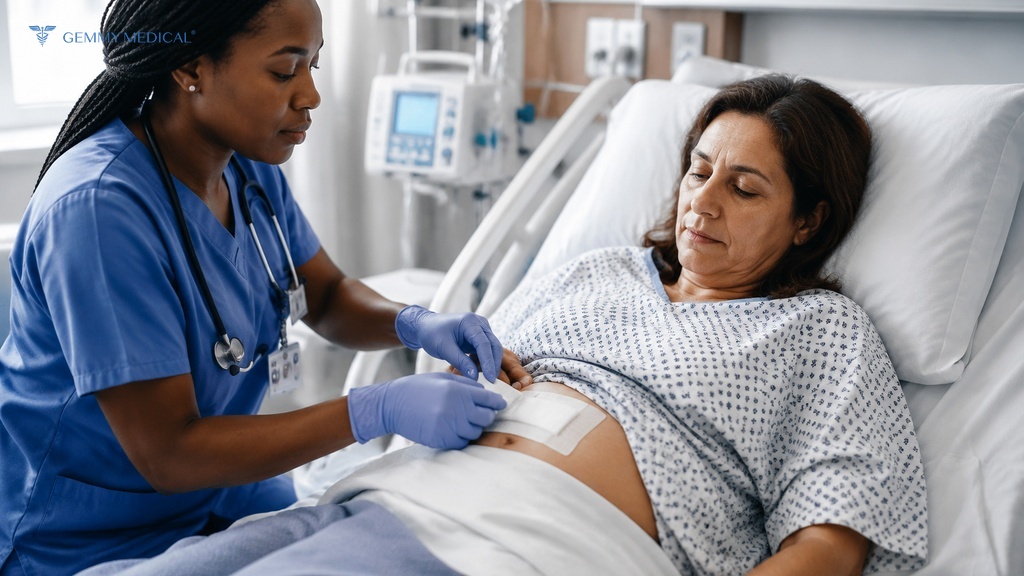
What is VAC Dressing?
VAC dressing, or Vacuum-Assisted Closure dressing, is an integral component of negative pressure wound therapy (NPWT). It is a specialized dressing system designed to promote wound healing by applying controlled sub-atmospheric pressure to a wound bed. These dressings are commonly used in post-surgical wound care to manage acute and chronic wounds efficiently.
The VAC dressing system typically consists of a foam or gauze dressing, an adhesive drape to create an airtight seal, tubing to connect the dressing to a vacuum device, and the vacuum pump itself. Together, these components create a closed environment that supports faster granulation tissue formation, reduces edema, and helps remove exudates from the wound bed.
Gemmy Medical’s VAC dressings are engineered with advanced materials to enhance wound healing outcomes while minimizing patient discomfort. This makes them an ideal choice for healthcare professionals worldwide, from large hospital systems to outpatient clinics.
How VAC Therapy Works
Negative pressure wound therapy (NPWT) operates on the principle of applying continuous or intermittent vacuum pressure to a wound. This pressure reduces the interstitial fluid load, promotes blood flow, and encourages cellular proliferation. The VAC dressing is vital to this process as it ensures the vacuum is effectively applied to the wound bed.
When the dressing is applied, it conforms to the wound’s contours, creating an airtight seal. The vacuum pump then generates negative pressure, which pulls excess fluid and infectious material away from the wound. This helps reduce bacterial load and swelling, creating an optimal wound healing environment.
Additionally, VAC therapy stimulates microdeformation at the cellular level. This mechanical force triggers the release of growth factors, enhancing angiogenesis and granulation tissue development. Numerous clinical studies have demonstrated that NPWT, when used with VAC dressings, can significantly reduce healing times for post-surgical wounds compared to traditional wound care methods.
Clinical Benefits of VAC Dressing
VAC dressings offer a range of evidence-based benefits for post-surgical wound care. Key advantages include:
- Accelerated Healing: Studies show that VAC therapy can reduce healing times by promoting granulation tissue formation and enhancing blood flow to the wound bed.
- Reduced Risk of Infection: By removing exudates and maintaining a closed environment, VAC dressings minimize the risk of bacterial contamination.
- Decreased Edema: Negative pressure reduces swelling by drawing out excess interstitial fluid, which can impede the healing process.
- Improved Patient Comfort: Modern VAC dressings are designed with lightweight materials and ergonomic tubing placement, making them more comfortable for extended use.
These benefits are particularly valuable for managing complex post-surgical wounds, such as abdominal incisions, skin grafts, and dehisced wounds, where traditional dressings may fail to provide adequate support.
Indications for VAC Dressing Use
VAC dressings are indicated for a wide range of wound types and clinical scenarios. Common indications include:
- Acute post-surgical wounds: These include wounds resulting from abdominal surgeries, orthopedic procedures, and Cesarean sections.
- Chronic wounds: VAC therapy is frequently used for pressure ulcers, diabetic foot ulcers, and venous leg ulcers.
- Traumatic wounds: Patients with large, irregular wounds caused by trauma often benefit from VAC dressings.
- Skin grafts and flaps: VAC therapy can stabilize grafts and improve adherence by maintaining optimal moisture levels and reducing shearing forces.
It is essential to assess each patient’s specific clinical needs before initiating therapy. Contraindications, such as necrotic tissue or untreated osteomyelitis, must also be carefully evaluated.
Steps to Choose the Right VAC Dressing
Choosing the appropriate VAC dressing is critical to achieving optimal wound healing outcomes. Here are the steps healthcare professionals should follow:
- Assess the Wound: Evaluate the wound’s size, depth, and exudate levels. Foam dressings are generally preferred for large wounds, while gauze dressings may suit smaller or irregularly shaped wounds.
- Consider the Patient’s Needs: Take patient-specific factors, such as mobility and comfort, into account. For example, lightweight dressings with low-profile tubing may be ideal for ambulatory patients.
- Select the Appropriate System: Choose a VAC dressing compatible with the available NPWT device. Gemmy Medical provides a range of dressings designed to work seamlessly with various vacuum systems.
- Consult Clinical Guidelines: Follow evidence-based protocols and institutional guidelines to ensure the dressing is applied and managed correctly.
By carefully selecting the right dressing, clinicians can improve outcomes while minimizing complications.
Best Practices for VAC Therapy Application
To maximize the effectiveness of VAC therapy, healthcare professionals should adhere to the following best practices:
- Ensure Proper Training: Clinicians should be well-trained in dressing application and vacuum system operation to prevent air leaks or improper sealing.
- Maintain a Sterile Environment: Sterility during dressing changes is critical to avoid introducing infections.
- Monitor Wound Progress: Regularly assess the wound for signs of healing, such as reduced exudate levels and increased granulation tissue.
- Address Patient Comfort: Adjust vacuum settings and tubing placement to minimize discomfort and encourage compliance.
These practices can reduce complications and enhance patient outcomes, particularly in high-risk post-surgical cases.
Common Challenges and Solutions
While VAC therapy is highly effective, clinicians may encounter certain challenges during its use. Here are some common issues and their solutions:
- Air Leaks: An improperly sealed dressing can compromise therapy effectiveness. Ensure the adhesive drape is applied evenly and reinforce edges with additional strips if necessary.
- Skin Irritation: Prolonged use of adhesive materials can irritate the skin. Use barrier films to protect the surrounding skin and consider alternative dressing options if irritation persists.
- Device Alarms: Frequent alerts may indicate blockages in the tubing or a loss of pressure. Check the system components and resolve issues promptly to avoid therapy interruptions.
By addressing these challenges proactively, clinicians can ensure uninterrupted and effective treatment.
Home Care and Patient Compliance
VAC therapy is increasingly used outside of hospital settings to manage post-surgical wounds. However, ensuring patient compliance is critical to achieving successful outcomes in home care scenarios. Here are key considerations:
- Patient Education: Educate patients and caregivers on how the VAC system works, how to handle alarms, and when to contact their healthcare provider.
- System Portability: Gemmy Medical offers lightweight and portable VAC devices that enable patients to maintain their mobility and daily routines.
- Regular Follow-Up: Schedule regular follow-ups to monitor wound progress and address any patient concerns promptly.
By empowering patients with knowledge and support, clinicians can enhance adherence and improve healing outcomes in home care settings.
Frequently Asked Questions (FAQs)
What types of wounds are best suited for VAC therapy?
VAC therapy is most effective for acute post-surgical wounds, chronic wounds such as diabetic ulcers, traumatic wounds, and skin grafts or flaps. Always evaluate individual patient needs and wound characteristics before initiating therapy.
How long should a VAC dressing remain in place?
VAC dressings are typically changed every 48 to 72 hours, depending on wound exudate levels and clinical judgment. In infected wounds, more frequent changes may be required to ensure optimal wound hygiene.
Can VAC therapy be painful for patients?
Some patients may experience mild discomfort during therapy, especially when vacuum pressure is initially applied. Adjusting the pressure settings and ensuring proper tubing placement can help alleviate discomfort.
Are there contraindications for VAC therapy?
Yes, VAC therapy should not be used on wounds with necrotic tissue, untreated osteomyelitis, exposed blood vessels, or malignancy in the wound bed. Proper patient assessment is essential before starting treatment.
What makes Gemmy Medical’s VAC dressings unique?
Gemmy Medical’s VAC dressings are crafted with advanced materials that enhance wound healing, reduce infection risk, and improve patient comfort. They are compatible with a variety of NPWT systems, making them a versatile choice for clinicians worldwide.
How do I know if VAC therapy is working?
Signs of effective VAC therapy include reduced wound size, decreased exudate levels, and the appearance of granulation tissue. Regular wound monitoring and documentation are essential to evaluate progress.
Can VAC dressings be reused?
No, VAC dressings are designed for single-use only to maintain sterility and effectiveness. Reusing dressings can increase the risk of infection and compromise therapy outcomes.
Conclusion
VAC dressings have revolutionized post-surgical wound care by leveraging the principles of negative pressure wound therapy. With benefits such as accelerated healing, reduced infection risk, and improved patient comfort, these dressings are invaluable tools for clinicians worldwide. By adhering to best practices and addressing common challenges, healthcare professionals can maximize the effectiveness of VAC therapy and ensure positive outcomes for their patients.
Disclaimer: This article is for informational purposes only and does not replace professional medical advice. For product inquiries or customized solutions, contact the Gemmy Medical team at info@gemmytec.com.


