Advanced Wound Care: The Gemmy Medical Guide to Hydrocolloid Dressings
At Gemmy Medical, we specialize in high-performance wound care solutions. It is important to clarify that in a clinical context, Hydrocolloid Dressings are not merely industrial additives; they are advanced, moisture-retentive medical dressings designed to facilitate the body's natural healing process through autolytic debridement.
What is a Hydrocolloid Dressing?
A Hydrocolloid Dressing is a specialized medical bandage containing gel-forming agents (such as sodium carboxymethylcellulose, pectin, or gelatin) laminated onto a flexible, water-resistant outer layer.

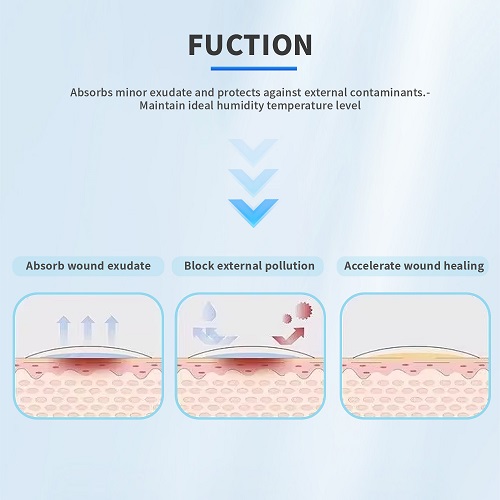
When applied to a wound, these particles interact with wound exudate to form a cohesive gel. This creates a moist healing environment, which is clinically proven to accelerate tissue granulated and protect new cells from damage.
The Clinical Role of Gemmy Hydrocolloid Dressings
Hydrocolloid dressings serve four primary functions in professional wound management:
Moisture Retention: They maintain an optimal moist environment, preventing the wound bed from drying out and promoting faster re-epithelialization.
Autolytic Debridement: By trapping moisture, they encourage the body's own enzymes to break down necrotic (dead) tissue naturally and safely.
Bacterial Barrier: The waterproof outer layer acts as a shield against external contaminants, including bacteria and viruses, significantly reducing the risk of secondary infection.
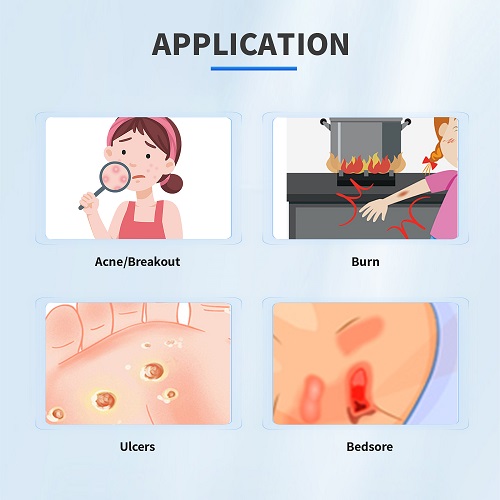
Pressure and Friction Protection: The cushioned structure provides a physical buffer, making them ideal for managing Stage 1 and 2 pressure ulcers or areas prone to friction.
Key Advantages for Healthcare Providers
Extended Wear Time: Unlike traditional gauze, Gemmy Hydrocolloid Dressings can remain in place for 3 to 7 days, reducing the frequency of dressing changes and nursing workload.
Pain Reduction: The moist gel interface prevents the dressing from adhering to the wound bed, ensuring painless removal and protecting fragile new tissue.
Self-Adhesive Design: No secondary fixation (like tape) is typically required, as the dressing features an integrated adhesive border that conforms to difficult body contours.
Cost-Effectiveness: Although the per-unit cost is higher than basic dressings, the reduced change frequency and faster healing times lower the total cost of treatment per patient.
Clinical Application Protocol
To maximize the efficacy of a Gemmy Hydrocolloid Dressing, follow these professional guidelines:
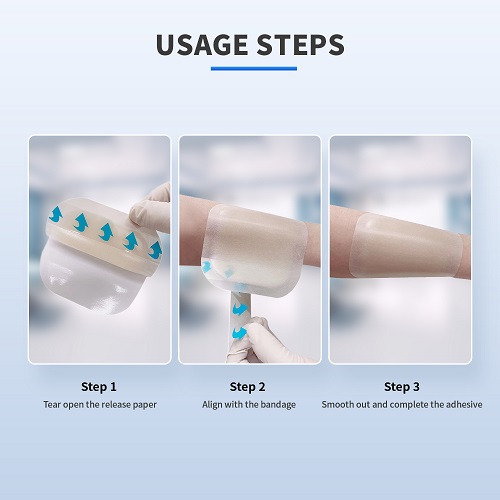
Site Preparation: Cleanse the wound with sterile saline or a professional wound cleanser. Ensure the surrounding skin is completely dry to facilitate proper adhesion.
Size Selection: Choose a dressing that extends at least 2cm beyond the wound edges to ensure a secure peri-wound seal.
Application: Center the dressing over the wound. Warm the dressing between your hands for a few seconds before application to enhance the initial "tack" of the adhesive. Apply from the center outward to avoid wrinkles.

Monitoring: It is normal for a "gel bubble" to form under the dressing. This indicates the hydrocolloid is interacting with the wound fluid. Change the dressing when the gel bubble reaches the edges or if leakage occurs.
Clinical Reminders & Safety
Exudate Levels: Hydrocolloids are designed for light-to-moderate drainage. They should not be used on heavily bleeding or highly exudative wounds.

Infection Contraindication: Do not use hydrocolloid dressings on clinically infected wounds or deep tunnels without professional medical supervision.
Skin Sensitivity: Always monitor the peri-wound area for signs of maceration (skin softening) or allergic reaction to the adhesive.
Gemmy Medical: Empowering healing through innovative material science and clinical precision.